Do Plumbers Get Drug Tested for Weed? Shops Are Split
Many plumbers are drug tested, but whether a shop can count a marijuana result against a hire now depends on the state. Both sides, and four state rules.
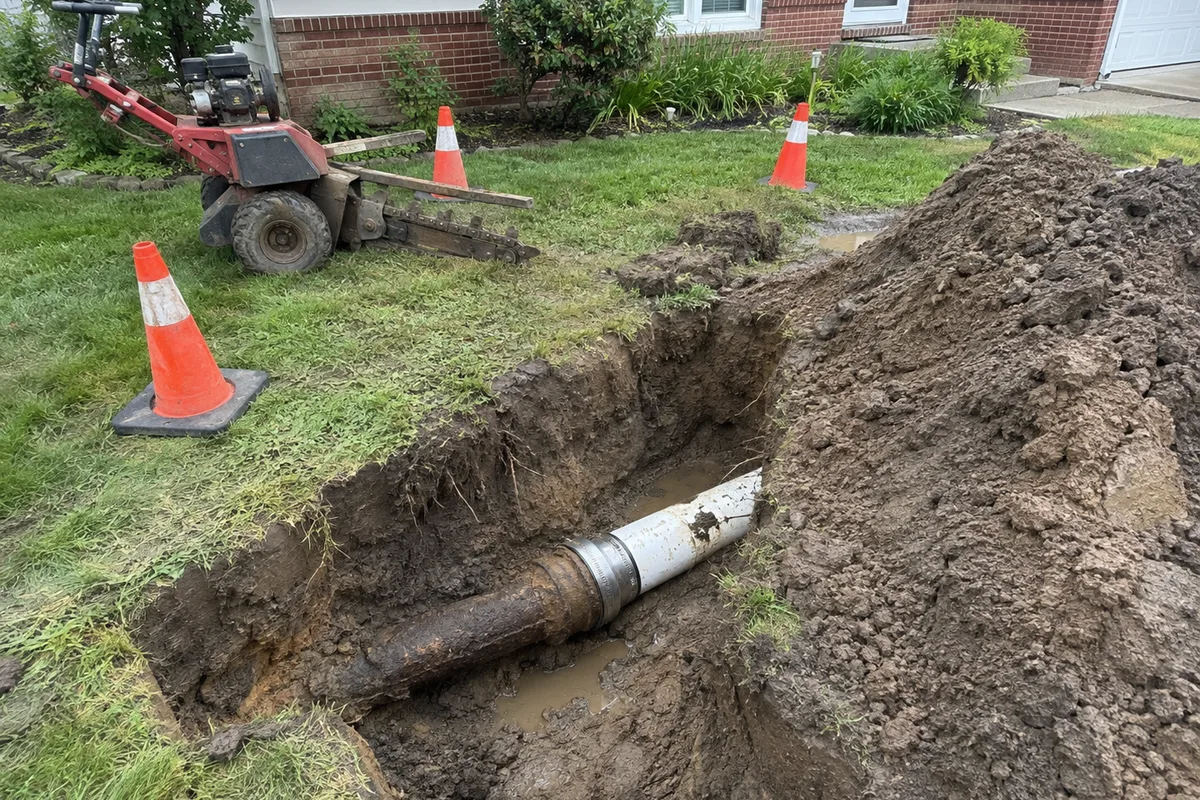
Many plumbers get tested before they are hired. Many do not. There is no single national rule that says plumbing shops must test. The answer depends on the employer, the state, any union agreement, and whether the job requires a commercial driver’s license.
A standard urine test for marijuana shows past use. It does not show whether someone is impaired right now. Both sides of this argument agree on that point. The fight is over what you should do with the result.
The safety argument says keep marijuana on the test
The National Safety Council released its position on October 21, 2019. Its policy says, “NSC believes there is no level of cannabis use that is safe or acceptable for employees who work in safety sensitive positions.”
The reason is simple. The amount of THC in someone’s body does not directly match a degree of impairment. There is no proven safe level to set.
Brian Turmail, vice president of public affairs and strategic initiatives at the Associated General Contractors of America, made the same point to Construction Briefing in an article dated June 29, 2023.
“Given the risks involved with working on an active construction site, firms cannot, and must not, be allowed to tolerate impairment on the job site.”
For a plumbing shop, the concern is not abstract. Your techs drive company vehicles. They work with gas lines, torches and open trenches. They often work alone in a customer’s home. Turmail said there are “no good impairment tests for marijuana and other drugs.” That leaves companies using tests that measure the history of drug use.
The hiring argument says the test answers the wrong question
Washington’s Legislature wrote the other side into its 2023 law, 2023 c 359, section 1.
“Many tests for cannabis show only the presence of nonpsychoactive cannabis metabolites from past cannabis use, including up to 30 days in the past, that have no correlation to an applicant’s future job performance.”
New York State Department of Labor guidance on Labor Law 201-D, dated October 2021, says a cannabis usage test cannot be the basis for concluding an employee was impaired, “since such tests do not currently demonstrate impairment.”
A 2010 review in the journal Addiction, titled “Testing for cannabis in the workplace: a review of the evidence,” concluded that “urine tests have poor validity and low sensitivity to detect employees who represent a safety risk.” NORML cites that review in its workplace fact sheet.
That is the strongest case for dropping marijuana from the test. The test can fail a good tech for something legal he did on a Saturday two weeks ago. It tells you nothing about Monday morning. In a tight labor market, that is a hire you lose to the shop down the road. That hiring squeeze is already making it harder to hire a plumber.
Four states have already set part of the answer
California’s Government Code section 12954 became operative January 1, 2024. It makes it unlawful to penalize someone for off-the-job cannabis use or for a test that finds nonpsychoactive cannabis metabolites.
But that protection “does not apply to an employee in the building and construction trades.” The statute does not define which jobs count as the building and construction trades. If you run a California plumbing shop, ask an employment lawyer whether your service techs fall under that exemption before relying on it.
Washington’s RCW 49.44.240 took effect January 1, 2024, and covers hiring only. An employer may not refuse to hire someone because of off-the-job cannabis use or a pre-hire test showing nonpsychoactive cannabis metabolites.
The law does not apply to post-accident testing or testing based on suspicion of impairment. It also has an exception for “a safety sensitive position for which impairment while working presents a substantial risk of death.” The statute says, “Such safety sensitive positions must be identified by the employer prior to the applicant’s application for employment.”
Minnesota Statutes section 181.951 says an employer must not require an applicant to take a cannabis test as a condition of employment unless state or federal law requires it.
Cannabis is still treated as a drug for a safety-sensitive position. It is also still treated as a drug for a position requiring a commercial driver’s license.
New York Department of Labor guidance asks, “Can an employer test for cannabis?” It answers, “No,” unless a listed exception applies, such as testing required by federal or state law.
The guidance gives mandatory testing of commercial motor vehicle drivers under 49 CFR Part 382 as an example. New York employers may still prohibit cannabis during work hours, including time an employee is on-call. They may prohibit it in company vehicles. They may act when an employee shows specific, articulable symptoms of impairment on the job. The smell of cannabis alone is not enough. For more on that issue, see on-call pay and standby time.
Other states have different rules. Check your own state before changing your policy. Marijuana testing is another offer-letter clause that depends on where you operate, much like noncompetes for plumbers.
A CDL driver can create two rules under one roof
If a position requires a commercial driver’s license, federal drug testing rules under 49 CFR Part 382 apply. Those rules include marijuana, whatever state law says.
The question applicants ask on the phone
We’ll call him Danny. Danny runs a three-truck shop and posts an opening for a service tech. The applicants do not email. They call the shop’s main number, the same line customers use for leaks, and they call during the day while Danny is on a job.
The first thing more than one asks, before pay or hours, is, “Do you drug test?”
Danny realizes he does not have a clear answer. His policy is one line in an old handbook: “drug test required.”
Bella is Plumber Secretary’s phone secretary. Bella answers the shop’s calls 24/7 and sends a call summary by text and email. The plan that includes Bella is $149 a month and works with your existing phone number. A job applicant who calls while you are under a sink gets an answer instead of voicemail. The summary with the name, number and reason for the call lands on your phone, so you can call a good tech back the same day. See the demo.
What to do this week
- Pull out your written drug testing policy and read what it actually says about marijuana.
- Decide which positions are truly safety sensitive and write that down. In Washington, put it in the job posting before anyone applies.
- Keep the rules that hold everywhere listed above: no use on the job, none in the company vehicle, none while on-call, and act on signs of impairment you can see and describe. Train whoever supervises to write down what they observed.
- Ask your workers’ comp carrier whether your policy depends on a testing program before you change it, and talk to an employment lawyer before you change the paperwork. This is not legal advice.