The Snowbird Who Called Before She Left for the Winter
In October, seasonal homeowners call before heading south. The job is routine. The first call decides it: the leave date, key holder, and how to reach her.
This is a composite story. We’ll call the caller Carol and the shop owner Dale.
Carol called on a Sunday afternoon in October
Carol owns a house she leaves every winter. She called on a Sunday afternoon in early October. She was leaving in about three weeks and wanted the plumbing handled before she went.
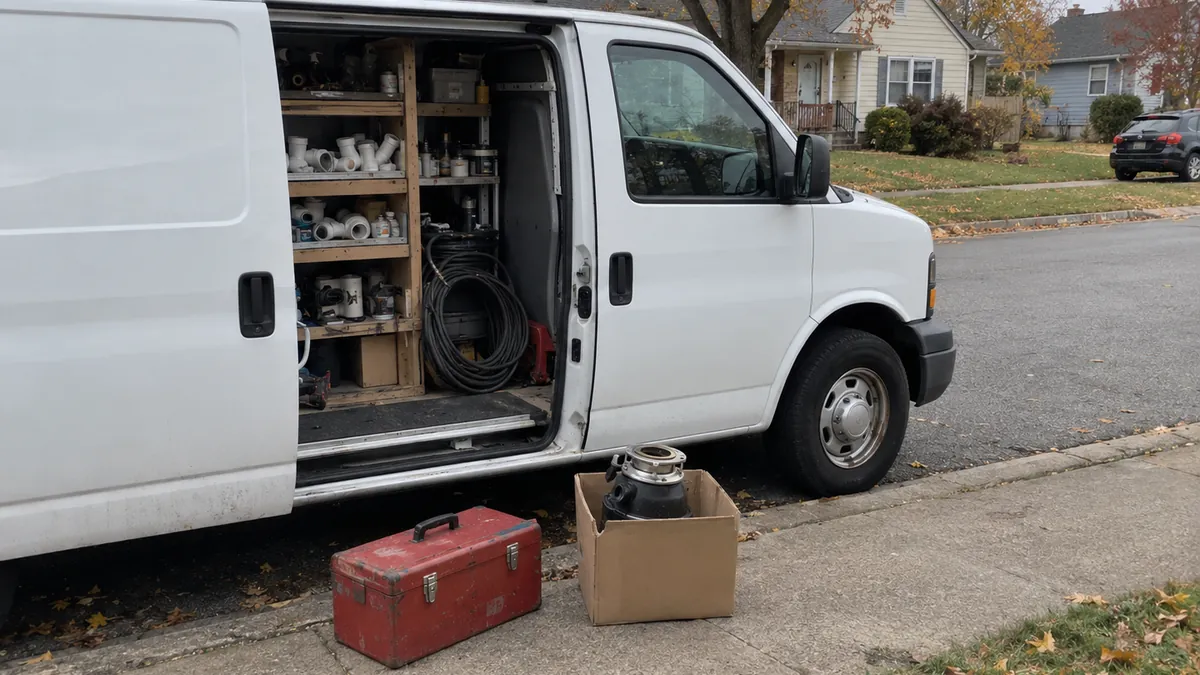
Dale runs a one-truck shop. On Sundays, he is off and his phone is not in his hand. Before Bella, calls like this went to voicemail. Dale called back Monday. Sometimes the caller had already booked someone else by then.
That other plumber did not just get the fall visit. That plumber also had a good chance of getting the spring turn-on call.
Dale’s calls now go to Bella. She answers every call live, 24/7. Carol got a live answer while she was sitting down with her list.
Bella booked the visit for a day before Carol left. That gave Carol time to walk through the house with Dale instead of trying to explain everything from another time zone.
The first call had more than a service address
Bella asked when Carol was leaving. She asked whether the heat would stay on while Carol was gone or whether Carol wanted the house shut down and drained. Bella did not decide how the work should be done. She recorded Carol’s preference and left the method to Dale.
That question matters. The American Red Cross advises that if you will be away during cold weather, leave the heat on and set no lower than 55 degrees Fahrenheit. Some owners want that arrangement. Others want the house shut down and drained. Your answering service needs to capture which choice the owner wants you to discuss.
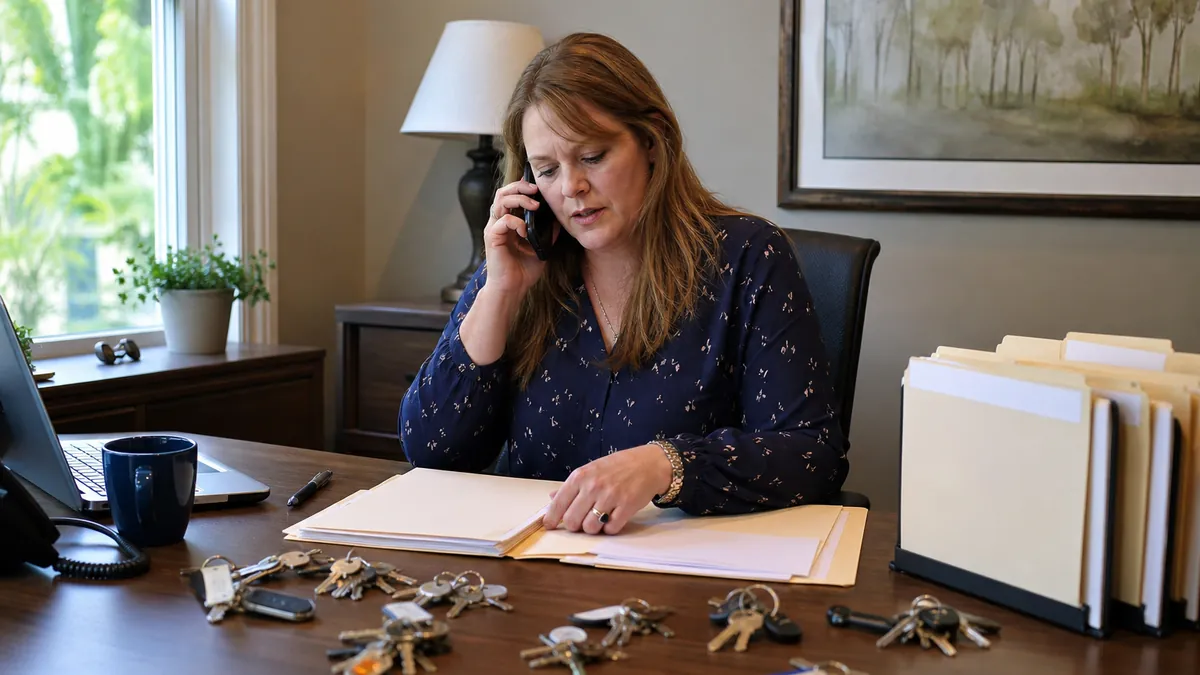
Bella also asked whether the house was on a well or city water. She recorded that a neighbor two doors down would hold a key after Carol left, along with the neighbor’s phone number.
Then she asked for the best way to reach Carol while she was away. Carol gave her cell number and said she would be in another time zone. Bella recorded where the invoice should go.
Bella did not tell Carol how to winterize the house herself. When Carol asked about the details, Bella said Dale would go over them at the visit.
The summary gave Dale two dates and two contacts
Dale received the call summary by text and email Sunday evening. He read it Monday morning. The job was already on his calendar, with the details he needed.
Watching these calls, you see a clear difference from a normal service call. In October, the summaries for seasonal homes carry two dates instead of one: the visit date and the day the owner leaves. They carry two contacts instead of one: the owner and the person holding the key after the owner goes.
The most useful line in the summary is the key holder’s name and number. In January, when something goes wrong, the owner is a thousand miles away. The key holder is the one who can open the door.
These calls tend to come in on evenings and weekends. That is when the homeowner is sitting down with a list of things to do before leaving. Missing that call means missing the fall work and possibly the spring work too.
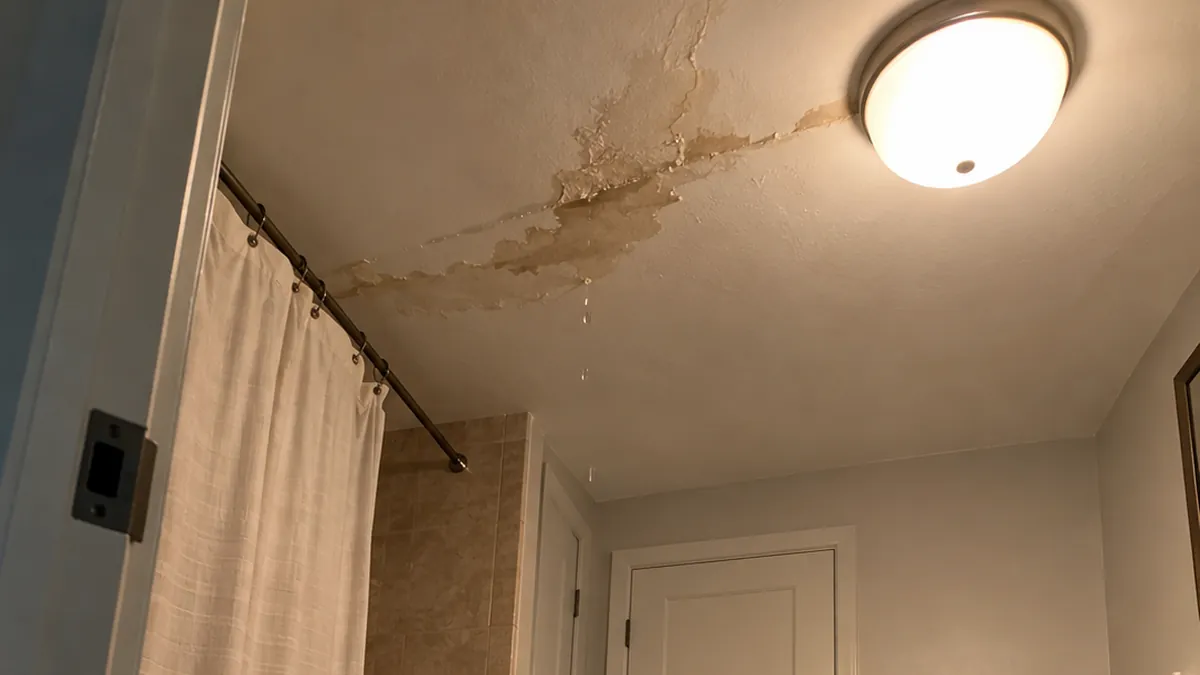
The January part is not theoretical. Frozen pipe calls arrive after the owner has left, which is why the January frozen pipe rush belongs in the same conversation as the October call.
Dale put the spring turn-on on the calendar before Carol left
At the visit, Dale asked Carol when she was coming back. He put a note in for the spring turn-on.
That small question changed the job from one visit into a possible yearly pattern. The fall shutoff and spring turn-on can become a yearly maintenance plan.
It also gave Dale a reason to keep the house details available for the next call. Bella’s call summary puts the house, the key holder, and Carol’s away number in writing, so you have them when Carol calls next October or the neighbor calls in January. That is the kind of customer memory between calls that brings the right information back when the owner is not standing in front of you.
What you get for the money
Plumber Secretary is $95 per month for the Professional System, or $149 per month with the AI secretary and a website built for you.
The Professional System covers leads and job pipeline, scheduling and online booking, invoices and payments from your phone, one inbox for calls, texts, emails and web forms, and automatic Google review requests. It does not include AI call answering.
System + AI Secretary adds Bella answering your calls 24/7, emergency triage with instant alerts, jobs booked straight onto your calendar, and call summaries by text and email. It includes up to 100 AI call minutes per month and works with your existing phone number.
Dale needed a live answer on Sunday, a booked visit, and a complete summary. Carol needed the house handled before she left. The call worked because those details were captured before Monday morning.
What to get on the snowbird call
- The date the owner leaves
- Whether the heat stays on or the house is shut down and drained
- Whether the house is on a well or city water
- The key holder’s name and phone number
- How to reach the owner while away
- Where the invoice should go
- When the owner is coming back
You can hear how Bella handles a call on the demo page at (669) 284-5564. The Plumber Secretary main line is (707) 620-5284.