The Water Heater That Waited For October
Water heaters fail all year, but October is when the calls spike. Here's what one shop learned about answering those calls fast enough to matter.
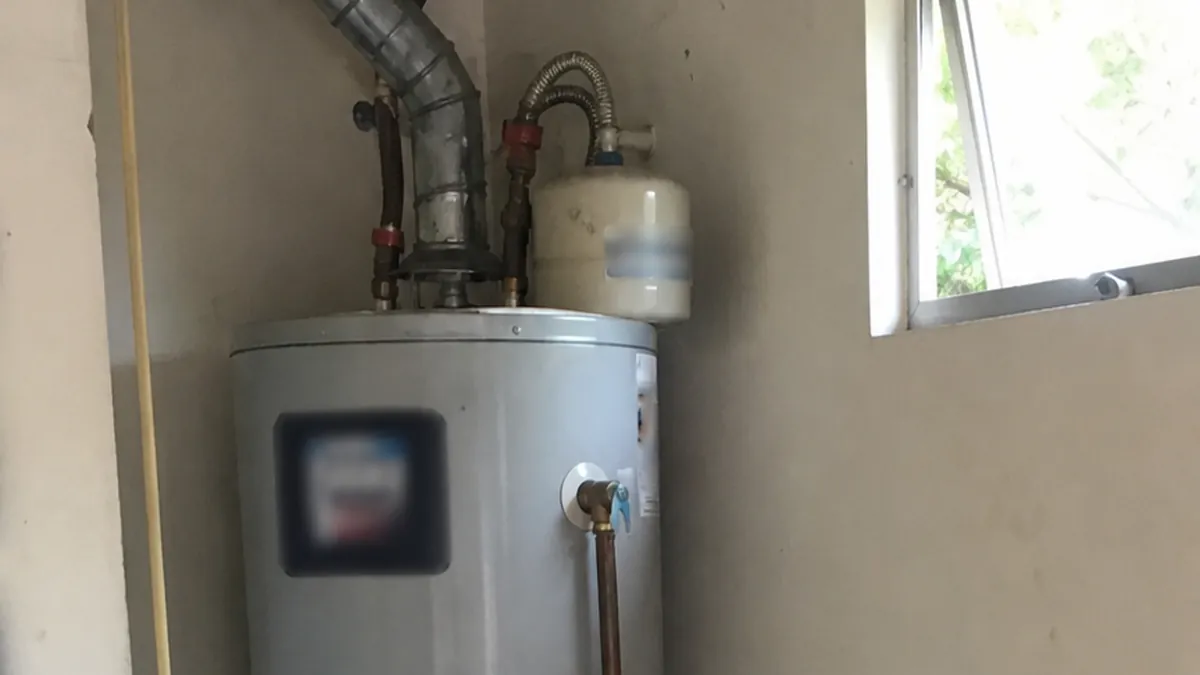
Marcus runs a three-truck shop, and every October he braces for the same thing. Water heaters that limped through a mild summer, running just enough to get by, finally give out the first cold morning of fall. Not one or two. A run of them, all in the same two-week stretch, all wanting a same-day fix because nobody wants a cold shower in October.
He used to lose a chunk of those calls without ever knowing it. Not because his crew was bad at the work. Because the calls came in faster than his office could pick up the phone.
Why October, specifically
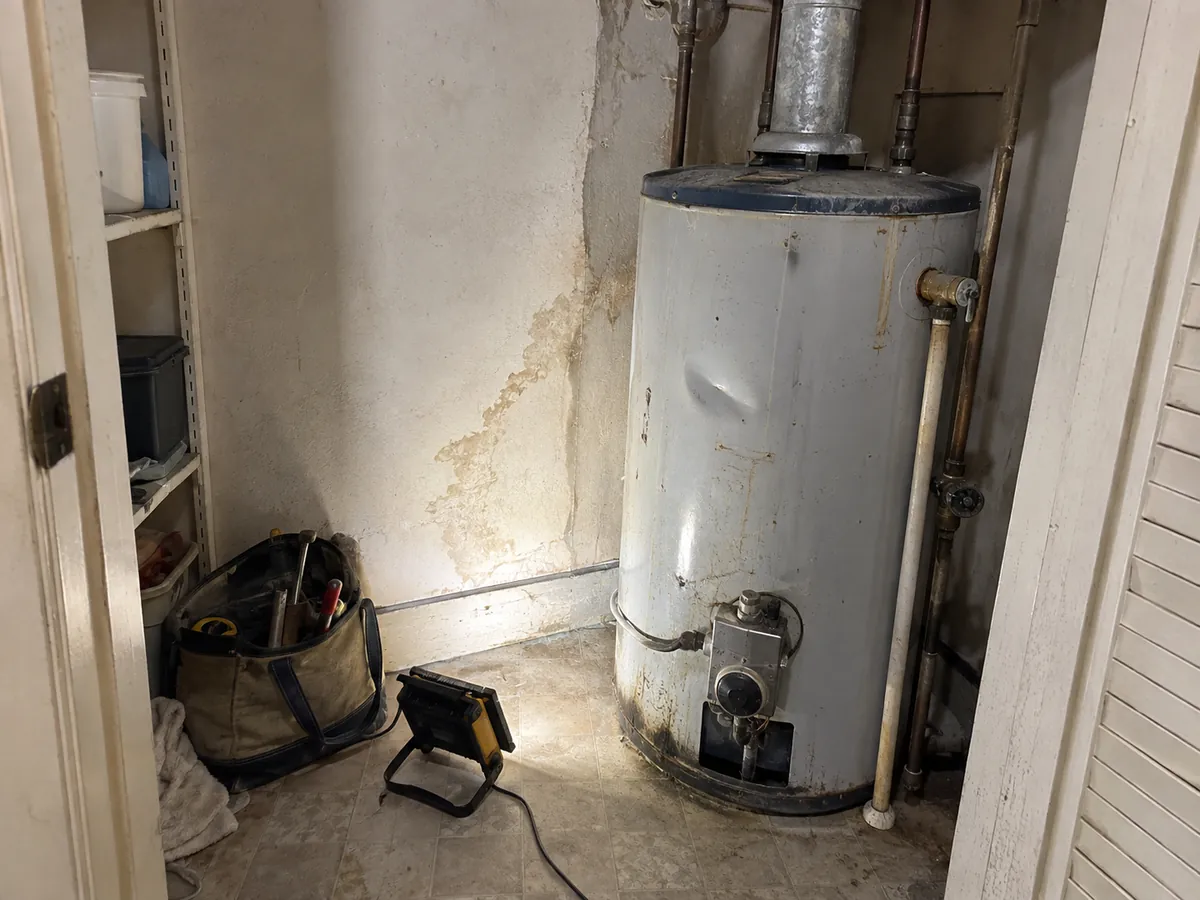
A water heater doesn’t usually fail out of nowhere. It fails when it’s finally asked to work harder, and the first real cold snap is exactly that ask. A unit that was quietly dying all summer, cycling less, straining less, hits its first genuinely cold morning and the sediment, the corroded element, or the failing thermostat finally loses the fight. Plumbing call volume shifts with the seasons everywhere, and water heaters are one of the clearest examples: a steady trickle most of the year, then a spike the week the mornings turn cold.
The problem for a shop is that spike doesn’t announce itself. It just shows up as three, four, five calls in a single morning, each one a customer standing in a cold shower wanting an answer now, not a callback this afternoon.
What a missed one actually costs
A cold shower isn’t a maintenance call. It’s an emergency to the person standing in it, and the first plumber to call them back usually wins the job. If Marcus’s office is already on another line, or it’s early enough that nobody’s picked up yet, that caller doesn’t wait. They call the next name on the list, and Marcus never even finds out he lost the job.
Multiply that by a two-week surge and it’s not one missed call. It’s a run of them, landing during the exact stretch of the year when a same-day water heater replacement is worth the most.
What changed
Marcus forwarded his overflow calls to Bella before the fall surge hit, mostly to cover the slow season. He didn’t expect it to matter much until October. The first cold-snap morning, three water heater calls came in within twenty minutes of each other, all while his two techs were already on trucks and his office line was tied up with a fourth caller.
Bella answered all three. She asked the right questions, the ones that actually matter before you roll a truck, got each address and a sense of urgency, and texted the details straight to Marcus instead of leaving three messages for whenever someone got back to the phone. He worked the list in order of who needed it most and had all three booked before lunch.
None of those three calls would have waited for a callback. They’d have gone to whichever plumber picked up first.
The takeaway
Every trade has a season that tests the phones harder than the rest of the year. For plumbers, water heaters make that season October, and the shops that answer fast during that stretch are the ones that come out of it with a full schedule instead of a list of numbers that stopped calling back.
You don’t have to guess when your next surge is coming. See how it handles a morning like that one, before the first cold snap hits.