Emergency Calls: What Your Answering Service Should Actually Do
A flooded kitchen at 2am needs more than 'someone will call you back.' Here's what a plumber's answering service should do when the real emergencies come in.
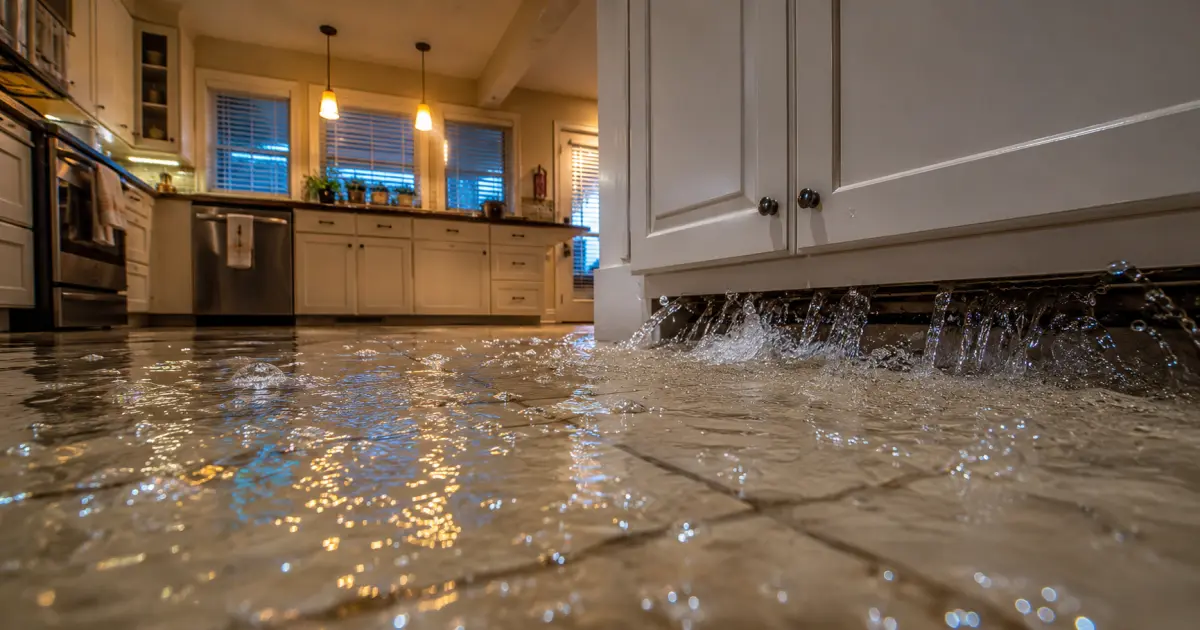
It’s Saturday night. A homeowner’s water heater just let go in the garage. Water is spreading across the floor and heading toward the drywall. They call your number. What happens next determines whether you get a $500 emergency job or lose it to the guy across town.
If your answering service says “We’ll have someone call you back during business hours,” that customer is already dialing the next number before the sentence ends. And they’re certainly not stopping to fill out an online booking form: emergencies move at the speed of a phone call, not a web page.
What an emergency call actually needs
Emergency plumbing calls are different from routine ones. The caller is usually stressed, sometimes panicking. They don’t need a twenty-question intake. They need three things:
- Someone who picks up immediately and sounds calm.
- Someone who understands the situation and asks the right questions.
- Practical help right now, even before the plumber arrives.
Most answering services only do the first one, and even that’s questionable if they put callers on hold.
The shut-off question
This is the single most important thing an answering service can do during an emergency call, and almost none of them do it.
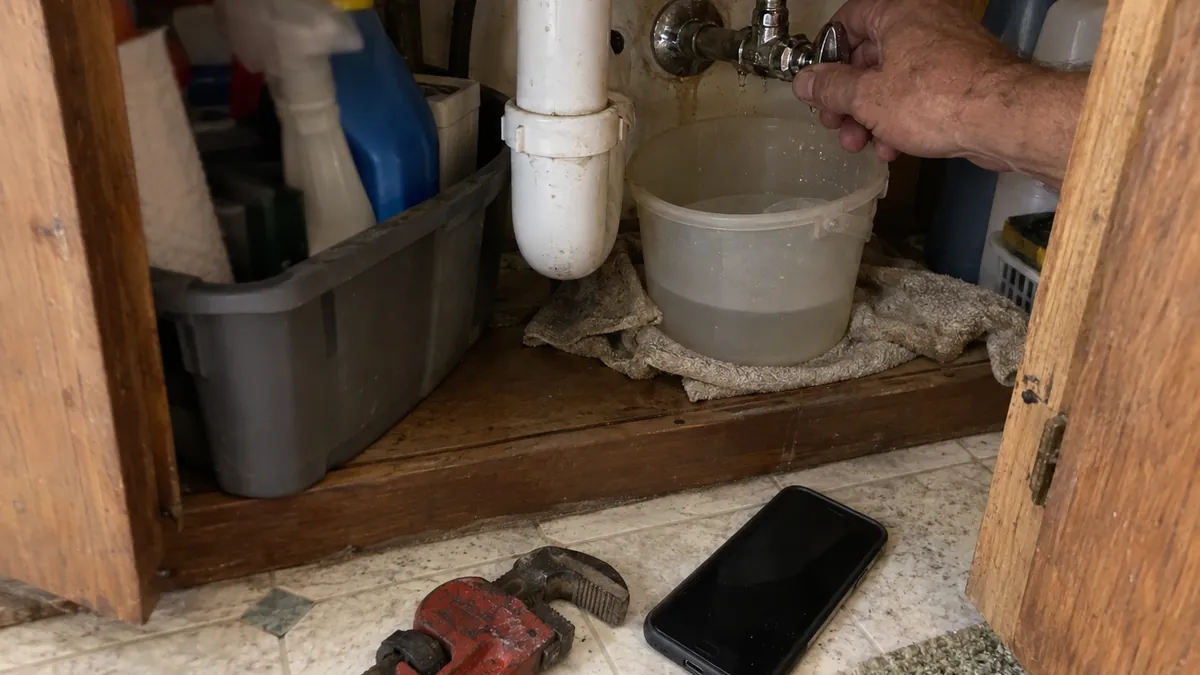
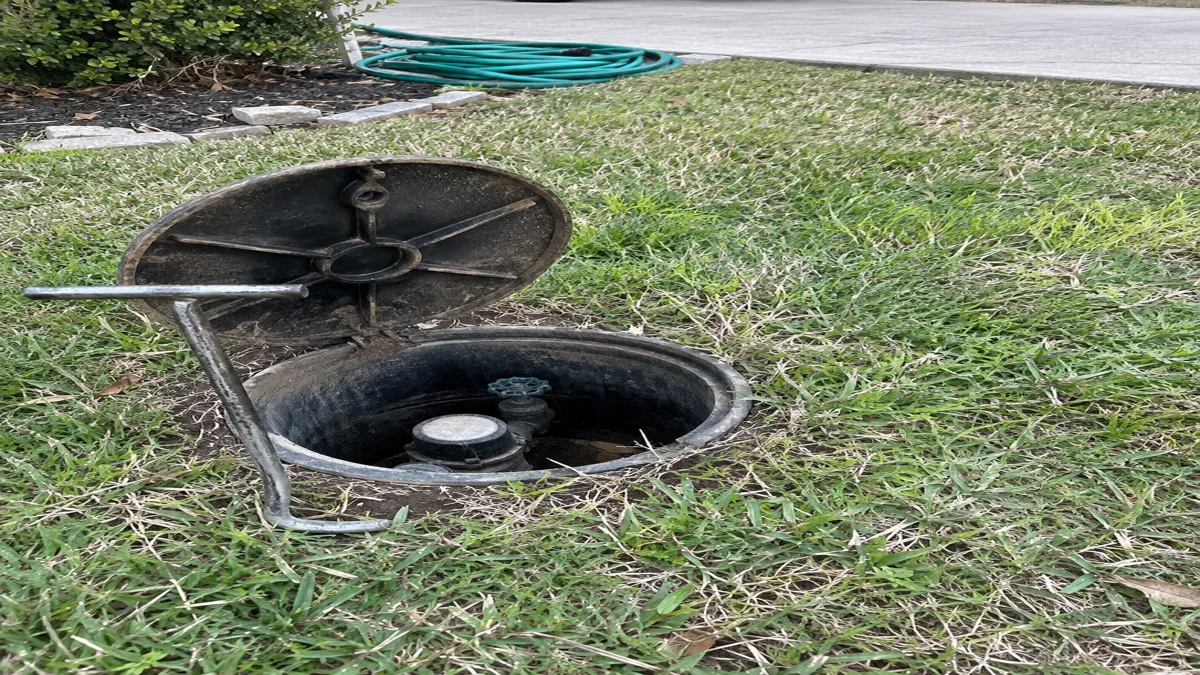
When there’s an active leak, water is causing damage every second. The first thing a knowledgeable person asks is: “Do you know where the main water shut-off valve is?”
If the caller does, you walk them through turning it off. If they don’t, you help them find it. Usually it’s in the garage, the basement, or on an exterior wall near the front of the house.
Turning off the water doesn’t fix the problem, but it stops the damage from getting worse. It can be the difference between a soaked floor and a destroyed subfloor. Between a manageable repair and an insurance claim.
No generic call center is going to do this. They’re reading from a script that covers everything from dental appointments to lawn care. They don’t know what a shut-off valve is.
What qualifies as an emergency
Not every urgent-sounding call is a real emergency. A good triage system knows the difference:
Real emergencies that need immediate action:
- Active flooding or standing water
- Burst or broken pipe
- Sewage backup into the home
- No water at all in the property
- Gas smell or suspected gas leak, the one call where safety comes before scheduling
- Water heater leaking heavily
- Sump pump failure with rising water
Urgent but not emergency:
- Slow leak under a sink
- Toilet running constantly
- Water heater not producing hot water
- Frozen pipe that hasn’t burst
Routine:
- Dripping faucet
- Slow drain
- Wanting to schedule maintenance
The emergency list gets an immediate text to you with the critical details. The urgent list gets booked for the next available slot. The routine list gets scheduled normally.
The details that matter for emergencies
When someone calls about a burst pipe, you don’t need their email address. You need:
- What’s happening. Water spraying, pooling, seeping.
- Where in the house. Kitchen, bathroom, basement, garage.
- How much water. Puddle, spreading across the floor, inches of standing water.
- Shut-off status. Did they turn it off? Do they know where it is?
- Address. Including access notes like gate code or unit number.
- Phone number. The one you can call back immediately.
That’s it. Name and email can wait. Get the critical info, text it to the plumber, and let them make the call on whether to roll out.
How it should reach you
Email is not fast enough. A dashboard notification that you’ll check in the morning is not fast enough. For real emergencies, it needs to be a text message. Immediately. With the address, the issue, and the urgency level clear at a glance.
Something like: “EMERGENCY. 42 Oak St, Apt 3. Burst pipe under kitchen sink, water spreading. Shut-off closed. Homeowner: Sarah Johnson, (555) 123-4567.”
You read that in ten seconds. You decide in twenty. You’re on the road in five minutes if it warrants it. Or you call the customer back and talk them through the next hour until you can get there in the morning.
Why this matters more than any feature
Emergency calls are the highest-value calls your business will ever get. The margins are better. The customers are more grateful. The reviews are more effusive. The referrals are stronger.
Missing them because your answering service can’t tell a flood from a faucet is the most expensive mistake a plumbing shop can make.