7 Questions Every Plumbing Call Should Answer Before You Show Up
Show up to the wrong job with the wrong parts and you've lost the morning. These are the seven things every call should nail down before the truck rolls.
The difference between a smooth job and a wasted morning is usually decided on the phone, before you ever pick up a wrench. A good intake call tells you what you’re walking into, what to bring, and whether it’s worth dropping everything for.
Here are the seven questions every call should answer. Whether a person or a voice assistant takes the call, these are the ones that matter.
1. What exactly is the problem?
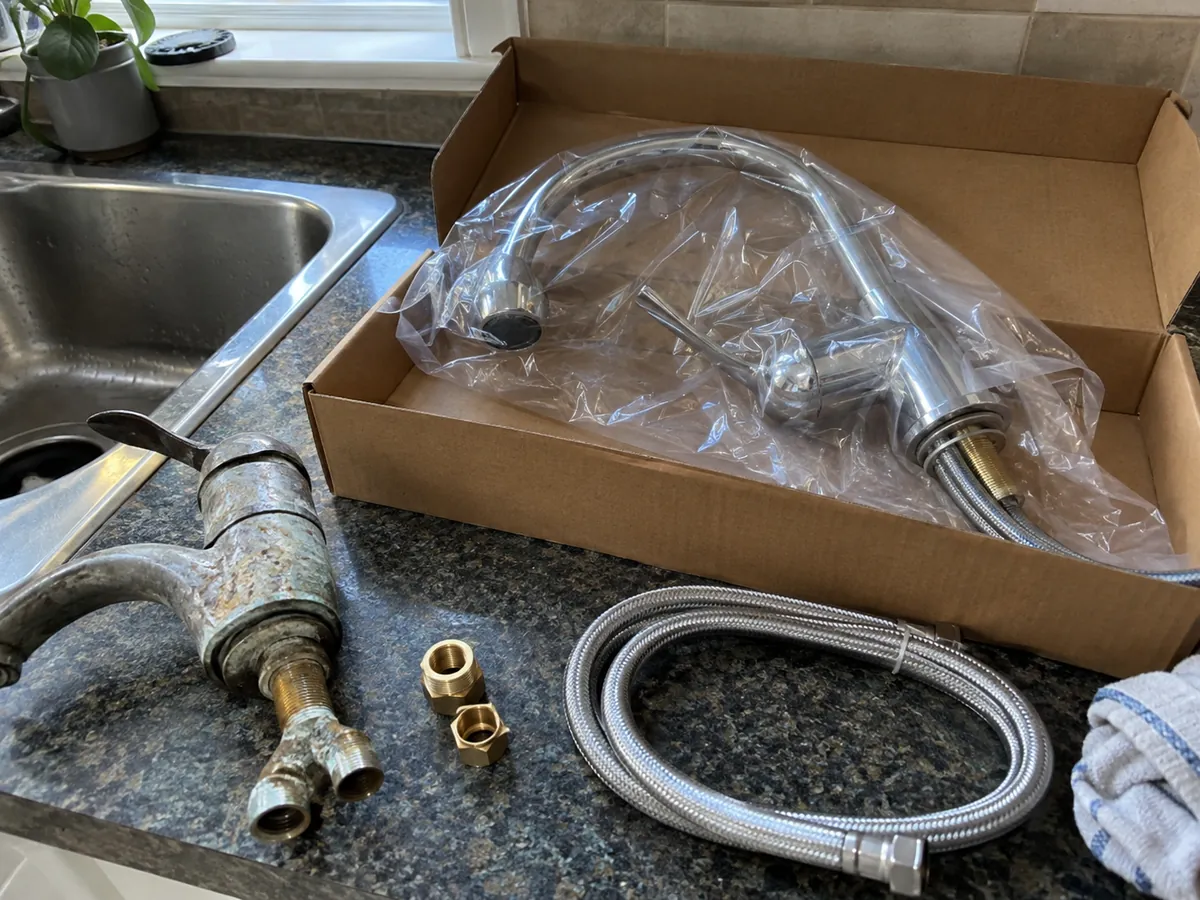
“My sink’s broken” tells you nothing. Is it leaking, clogged, or not draining? Is it the faucet, the trap, or the supply line? The more specific the answer, the better you can plan and the fewer surprises you hit on site.
2. Where is it, and is it residential or commercial?
The address tells you if it’s even in your service area. Residential or commercial tells you which questions come next, what code applies, and how to price it. You want this early so you don’t waste five minutes on a job two counties away.
3. Is this an emergency?
A slow drip and an active flood are not the same call. You need to know if water is actively running, if the floor is filling up, or if someone smells gas. Emergencies jump the line. Everything else gets scheduled.
4. Has the customer shut anything off?
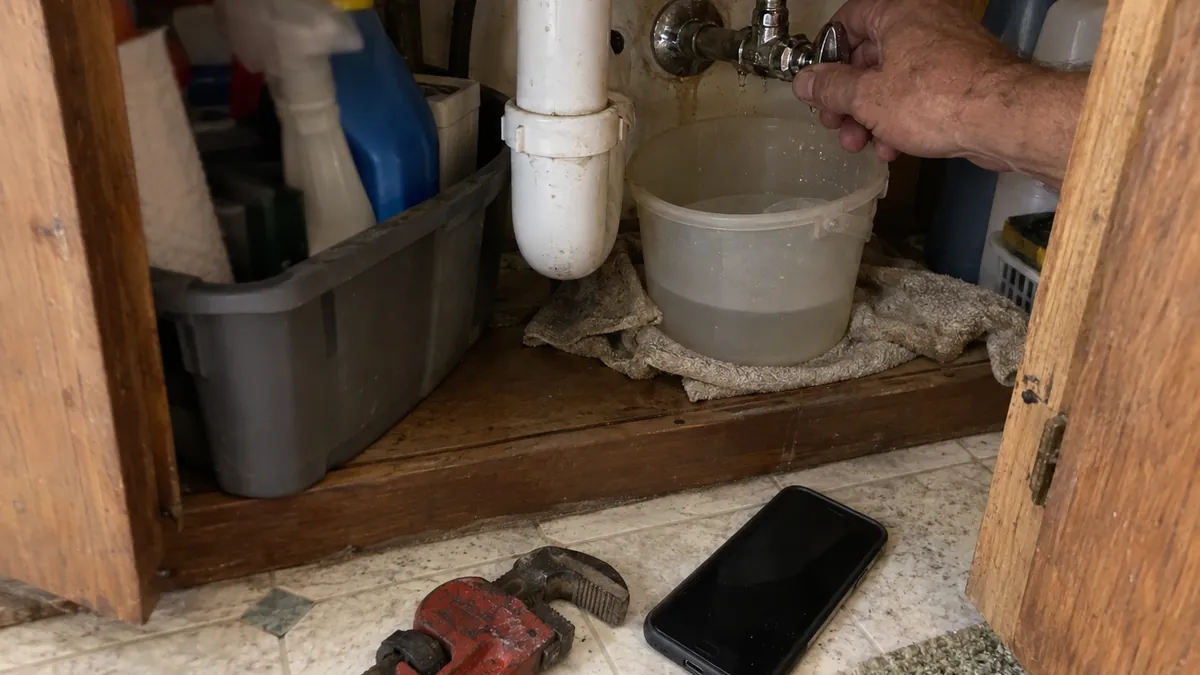
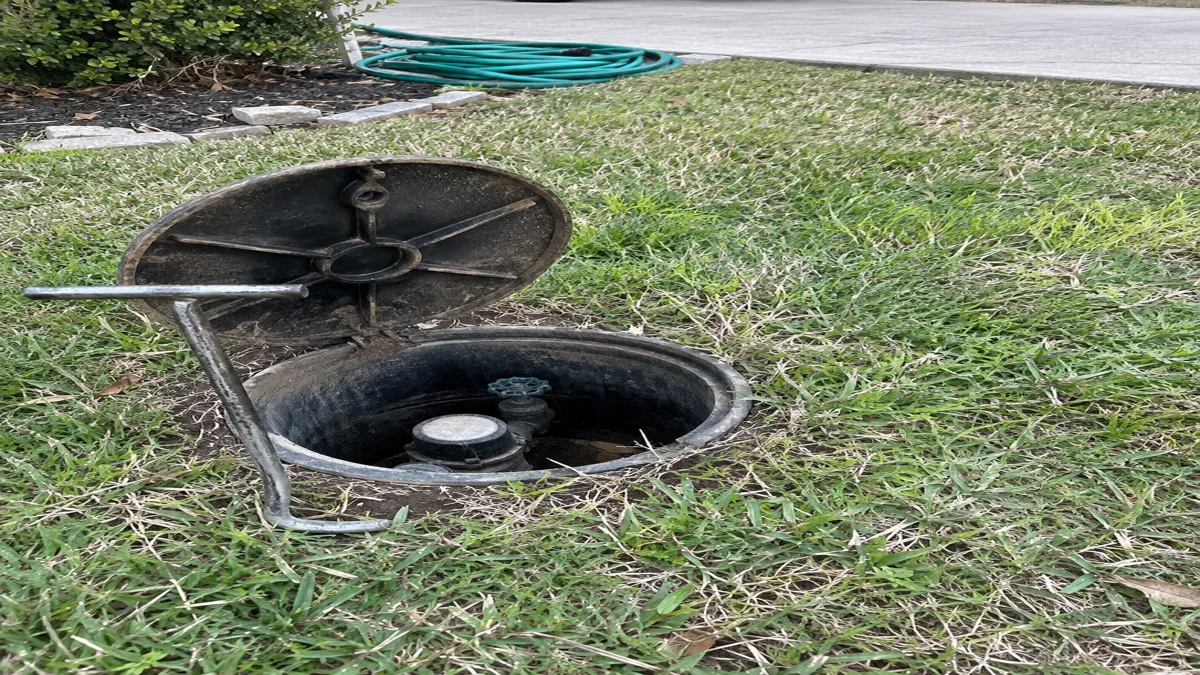
If it’s flooding, the first job on the phone is walking them to the shut-off valve. It protects their home and buys you time to get there. It also tells you how bad the situation already is by the time you arrive.
5. How old is the system or fixture?
A ten-year-old water heater that’s leaking is a replacement conversation, not a repair one. Knowing the age of the equipment helps you bring the right parts and set the right expectations before you’re standing in their basement.
6. How do they want to handle scheduling?
Some people need you today. Some are fine next week. Pinning down the timing, and confirming it with a text, cuts no-shows and keeps your day from falling apart when an “emergency” turns out to be flexible.
7. Have we worked with them before?
This is the one most shops drop. If a customer called last year about their kitchen faucet, that history should be right there. Knowing their property, their past jobs, and what you quoted last time makes you look sharp and saves everyone time.
The hard part is doing it every time
Any plumber knows these questions. The problem is asking all seven on every call, at 7am and 11pm, while you’re busy doing the actual work. That’s exactly the kind of thing a virtual front desk is built for: it asks the same right questions every time and hands you the answers before you load the truck.
Curious how that sounds on a real call? Hear a demo.